Celebrating St Helena’s Whale Sharks
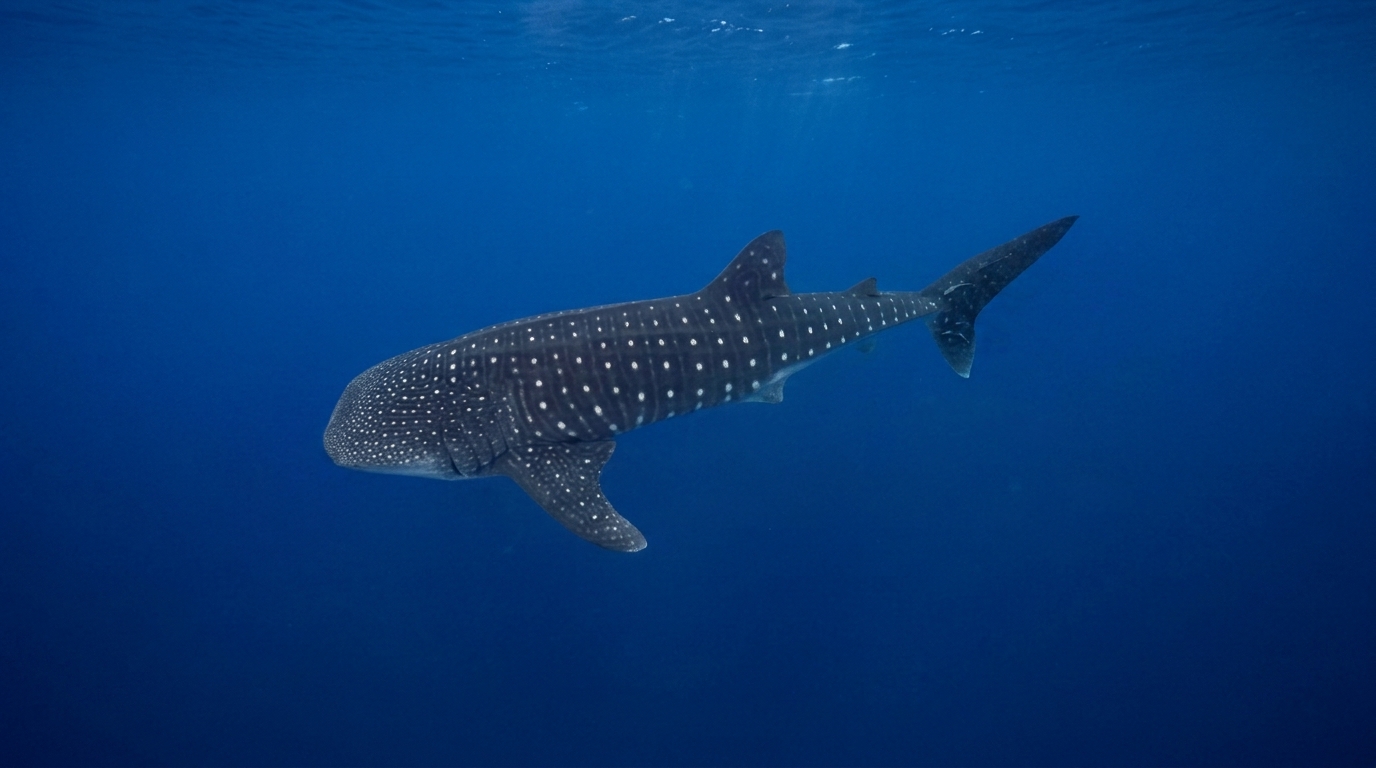
Every year on 30 August, marine enthusiasts and ocean conservationists around the globe mark International Whale Shark Day. It is a time dedicated to honouring the world’s largest fish – a magnificent, spot-patterned giant that glides through open oceans.
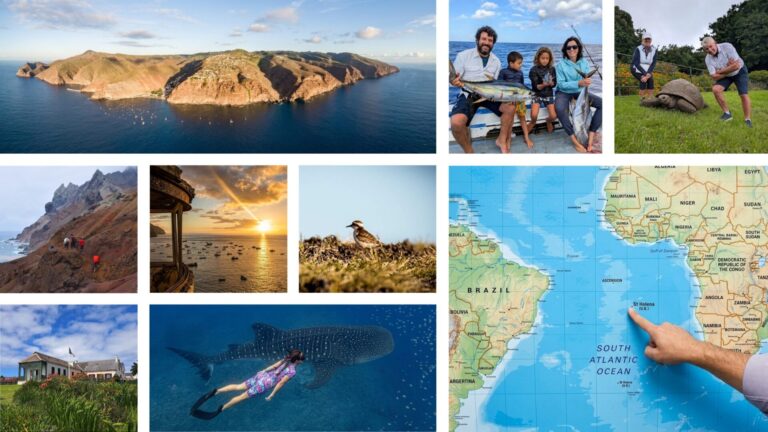
Here in the middle of the South Atlantic, surrounding the volcanic shores of St Helena, this day holds special significance. The island is not just another viewing spot; it plays a vital role in the species’ lifecycle.
What are Whale Sharks?
Despite their name and colossal size, whale sharks (Rhincodon typus) are not whales; they are the world’s largest living fish species. Reaching lengths of over 12 metres (40 feet) and weighing upwards of 15 to 20 tonnes, these creatures are filter feeders and completely harmless to humans.
- Diet: Their vast, flat mouths – spanning up to 1.5 metres wide – scoop up massive gulps of seawater to filter plankton, fish eggs, and small marine organisms.
- Identification: Each individual carries a unique pattern of white spots and stripes across its dark grey body, functioning much like a human fingerprint. Marine scientists use photo-identification software to track and monitor individuals over time.
Can you swim with Whale Sharks on St Helena?
Yes. Swimming alongside whale sharks in St Helena’s clear waters is one of the world’s most authentic wildlife encounters.
The peak viewing season runs from January through to March, when adult whale sharks gather in the warm, sheltered waters just off the coastline. Local, accredited operators offer regulated snorkelling tours that allow you to join these gentle filter-feeders in their natural habitat.
What makes St Helena’s Whale Shark encounters unique?
While destinations like Ningaloo Reef in Australia, Donsol in the Philippines, and Isla Holbox in Mexico are famous for sightings, St Helena offers a distinct experience:
- A balanced 1:1 gender ratio: At almost every other aggregation site globally, sightings are dominated by juvenile males. St Helena is unique in documenting an equal ratio of mature adults of both males and females.
- A potential mating site: Because adult males and females gather here in balanced numbers, marine biologists believe St Helena may be a critical global mating ground – a phenomenon rarely witnessed anywhere else on Earth.
- Unrivalled water clarity: Rising sheer out of the deep ocean, St Helena boasts underwater visibility frequently reaching 20 to 30 metres.
- Uncrowded waters: St Helena enforces strict eco-tourism guidelines that limit visitor numbers per boat, ensuring quiet, personal encounters free from crowds of tour boats.
- 100% ethical eco-tourism: The island’s waters fall within a Category VI Marine Protected Area (MPA). Regulations strictly prohibit touching, flash photography, or chasing the animals, keeping encounters non-disruptive.
Plan your marine adventure with Saint Travel Ltd
Ready to tick off an extraordinary ocean bucket-list experience? Saint Travel Ltd offers expert island tours, marine activity bookings, and tailor-made travel itineraries for the peak season (January – March).
Get in touch today to start planning your journey to St Helena Island!