Celebrating world population day
Every year on 11 July, the world pauses to reflect on World Population Day.
Here at Saint Travel, we would like to take this opportunity to talk about the population of our home, St Helena Island: a tiny dot in a vast ocean with a community story unlike anywhere else on Earth.
Where is St Helena Island Located?
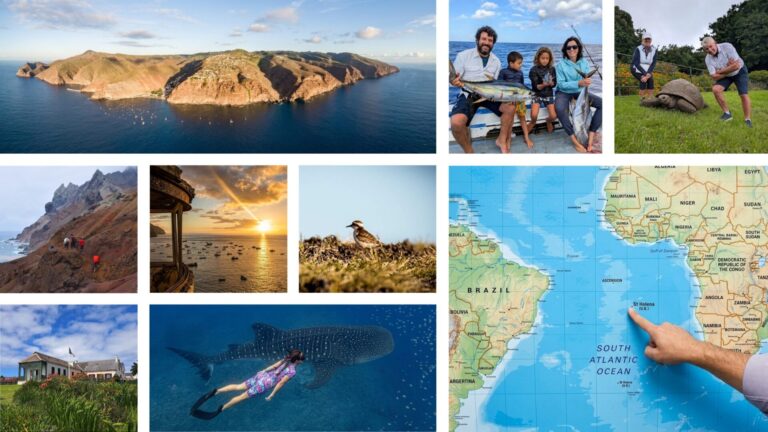
If you look at a globe and find the middle of the South Atlantic Ocean, you’ll spot us. St Helena is one of the most remote settled islands on Earth, located roughly 1,200 miles off the coast of southwestern Africa and 1,800 miles from South America.
As a British Overseas Territory, we share deep historical ties with the UK, but our geographical isolation has allowed us to develop a distinct, fascinating identity that surprises every traveller who steps off the plane or ship to experience St Helena Island travel firsthand.
A Close-Knit Community of 4,000
While the global population ticks high into the billions, St Helena is home to a wonderfully tight-knit community of around 4,000 residents.
Because of our size, life here moves at a beautifully natural, unhurried pace. There are no traffic lights, no massive crowds, and no getting stuck in traffic for hours. Instead, our population density creates a unique environment where people truly know their neighbours, look out for one another, and take the time to appreciate the slower, richer rhythm of island life.
The Roots of the “Saints”
The local people of St Helena call themselves “Saints.”
Because the island was completely uninhabited when discovered by the Portuguese in 1502, our population didn’t grow naturally from an indigenous group. Instead, it was built layer by layer by history.
Today’s Saints are the descendants of a rich tapestry of ancestors, including:
British settlers, soldiers, and officials arriving with the East India Company starting in 1659, as well as later British Crown garrisons.
Enslaved people brought to the island from West Africa, Madagascar, and South and Southeast Asia (including India, Malaysia, and Indonesia).
Chinese indentured labourers and Indian workers who arrived in the early 19th century to fill the labour shortage.
Liberated Africans who were rescued from the transatlantic slave trade by the Royal Navy and settled on the island in the mid-19th century.
Boer Prisoners of War brought to the island during the conflict from 1900 to 1902, many of whom married locally and stayed permanently after peace was declared.
This unique blending of European, Asian, and African roots over hundreds of years has shaped everything from our local cuisine to our unique dialect.
What is the Community Like in St Helena?
If you ask any visitor what stood out most about their trip to St Helena, they will almost always give you the same answer: the people.
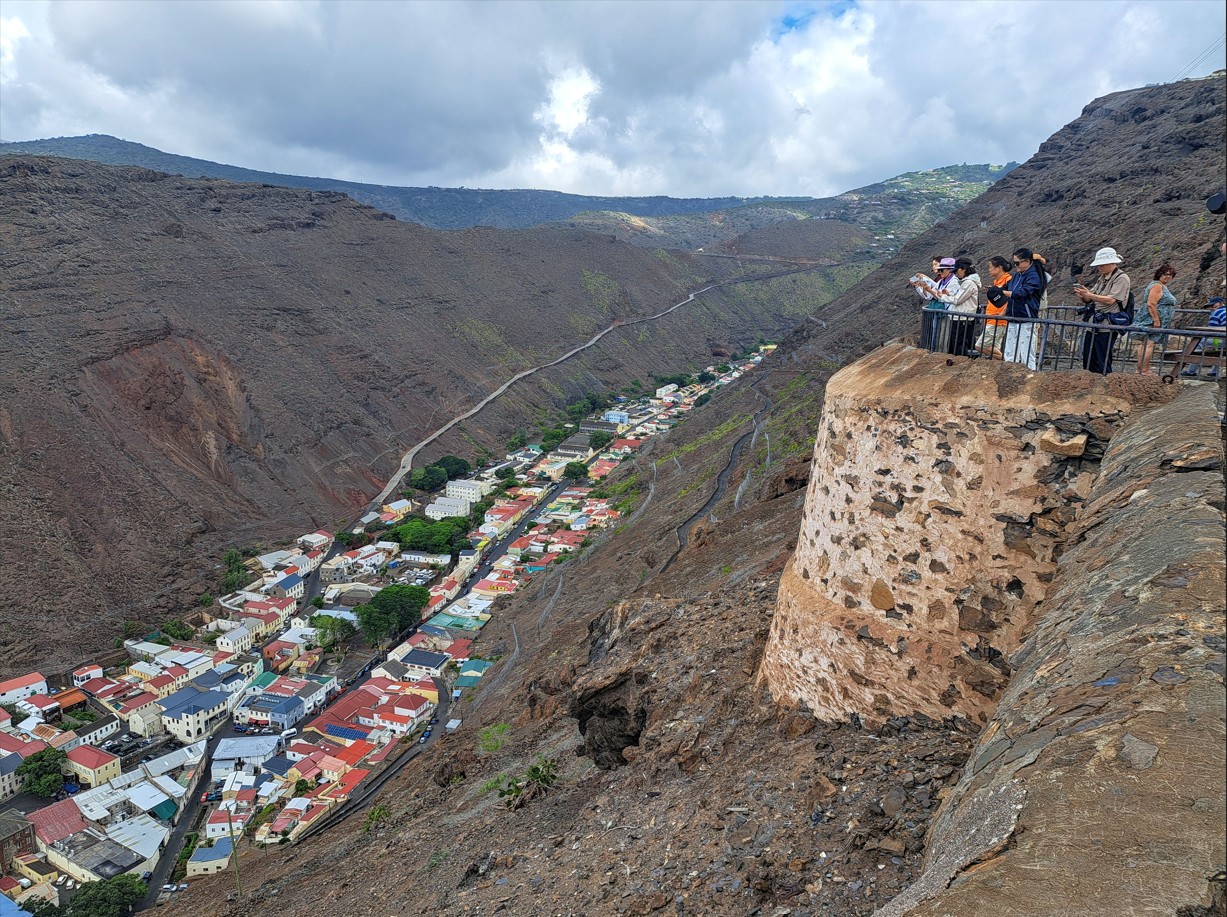
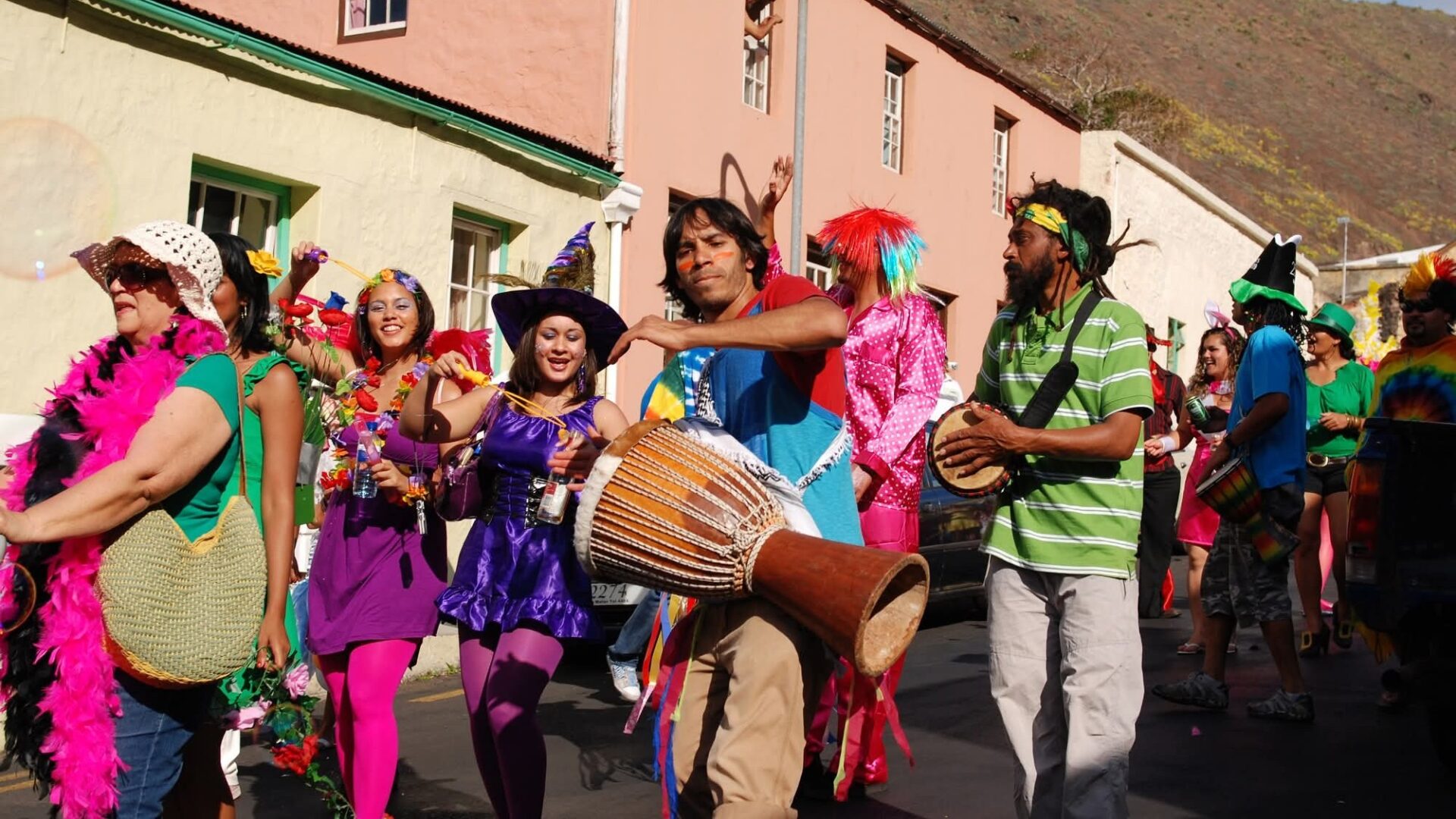
Saints are legendary for their warm, open, and welcoming nature. It’s a local tradition to wave at every passing car, and a simple walk down the street in Jamestown often turns into a series of friendly chats.
That natural hospitality has made St Helena a safe, peaceful space for expatriates from all over the globe. Over the years, we have embraced professionals, researchers, and families from the UK, Africa, Europe, and beyond, creating a truly vibrant multicultural community where everyone brings something unique to the table.
Why Our Population Makes Us the Ultimate Travel Destination
Our small population means that when you visit St Helena, you aren’t just an anonymous tourist sighting landmarks – you become a part of our community, even if just for a little while.
Whether you’re exploring our rugged volcanic coastlines, hiking the lush peaks on our famous Post Box Walks, or sharing a laugh with a local in a Jamestown pub, it’s the people of St Helena who turn an incredible holiday into an unforgettable journey.
Ready to meet the islanders and experience the world’s friendliest island for yourself? Contact Saint Travel today to start planning your bespoke South Atlantic adventure!
Photo credit: Ed Thorpe